The Event Organiser's Guide to Satellite Internet at Remote Locations
Organising events in remote locations can feel like a logistical nightmare, especially when it comes to internet connectivity. Whether you're planning a music festival in the countryside, a corporate retreat in the mountains, or a wedding celebration on a remote beach, reliable internet access isn't just nice to have: it's absolutely essential.
Traditional broadband simply won't reach many remote venues, and mobile networks often struggle under the pressure of hundreds or thousands of concurrent users. That's where satellite internet comes in as your reliable backup plan, offering consistent connectivity regardless of your location's remoteness.
Why Remote Events Need Bulletproof Connectivity
Modern events rely heavily on digital infrastructure. Your attendees expect to share photos on social media, check emails, and stay connected throughout your event. Meanwhile, you need internet access for payment processing, live streaming, real-time updates, and coordinating with vendors and staff.

When you're organising in remote locations, several connectivity challenges emerge:
No existing infrastructure: Many remote venues simply don't have broadband cables or adequate mobile coverage
Network congestion: Even if mobile networks exist, they weren't designed to handle large crowds simultaneously
Unreliable backup options: Traditional solutions often fail when you need them most
Geographic barriers: Hills, forests, and distance from urban centres create natural obstacles to conventional internet delivery
Satellite internet solves these problems by bypassing terrestrial infrastructure entirely, connecting directly to satellites orbiting overhead.
Understanding Satellite Internet Technology
Satellite internet might sound complex, but the core concept is straightforward. The system consists of three main components working together to deliver reliable connectivity to your remote event.
The Satellite Dish: This parabolic antenna sends and receives signals to and from satellites in orbit. Modern dishes are relatively compact and can be positioned wherever you have clear sky visibility. Unlike the massive dishes of the past, today's equipment is event-friendly and can be set up quickly by experienced technicians.
Modem and Router System: These devices translate satellite signals into internet connectivity that your devices can use. The modem handles the satellite communication, while the router creates a WiFi network for your attendees and staff to connect to.
Ground Station Network: Professional satellite internet services maintain ground stations that manage traffic and ensure reliable connections between the satellite network and the broader internet infrastructure.
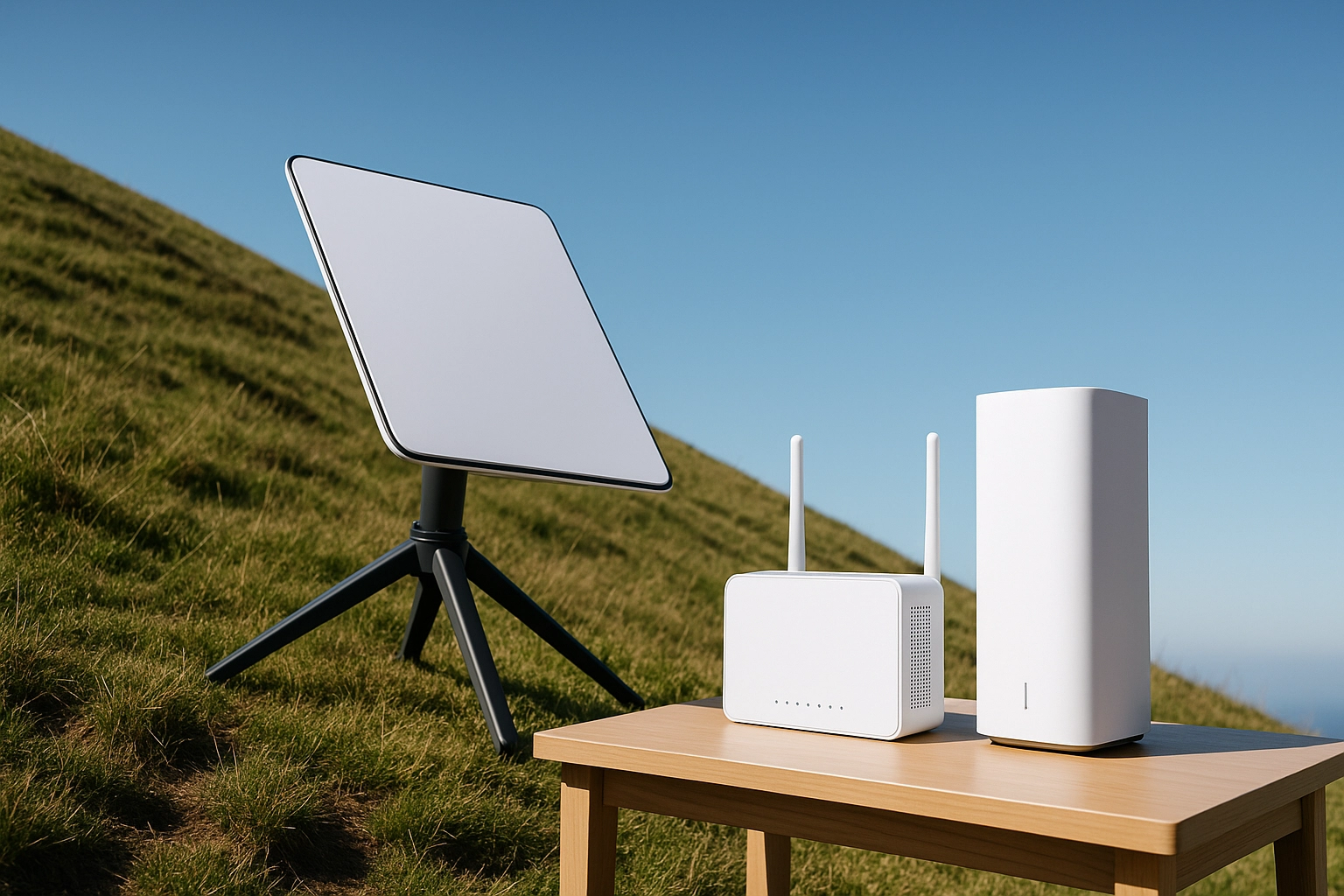
The technology operates through two primary satellite configurations. Geostationary satellites remain in fixed positions relative to Earth, providing consistent coverage areas and requiring stationary dishes that maintain alignment throughout your event. Low Earth Orbit satellites offer potentially faster speeds and lower latency but may require more sophisticated tracking equipment.
Key Advantages for Event Organisers
Complete Infrastructure Independence: This is the game-changer for remote events. Satellite internet works anywhere with clear sky visibility, regardless of existing telecommunications infrastructure. You're not dependent on local broadband availability, mobile tower proximity, or the quality of aging rural networks.
Scalable Capacity: Professional satellite internet systems can handle large numbers of concurrent users: exactly what you need for events. While consumer satellite services might struggle with high demand, enterprise-grade solutions are designed for the kind of traffic your event generates.
Reliable Upload Speeds: Many events require consistent upload bandwidth for live streaming, social media sharing, and real-time communications. Satellite internet provides symmetrical or near-symmetrical speeds, ensuring your live streams won't drop quality when multiple attendees are posting content simultaneously.
Weather Resilience: Modern satellite internet systems are surprisingly robust in various weather conditions. While extreme weather can affect performance, the technology is far more reliable than many event organisers expect.
Finding the Right Provider for Your Event
Not all satellite internet providers are created equal, especially for event applications. When researching providers for your specific location, start with a systematic approach.
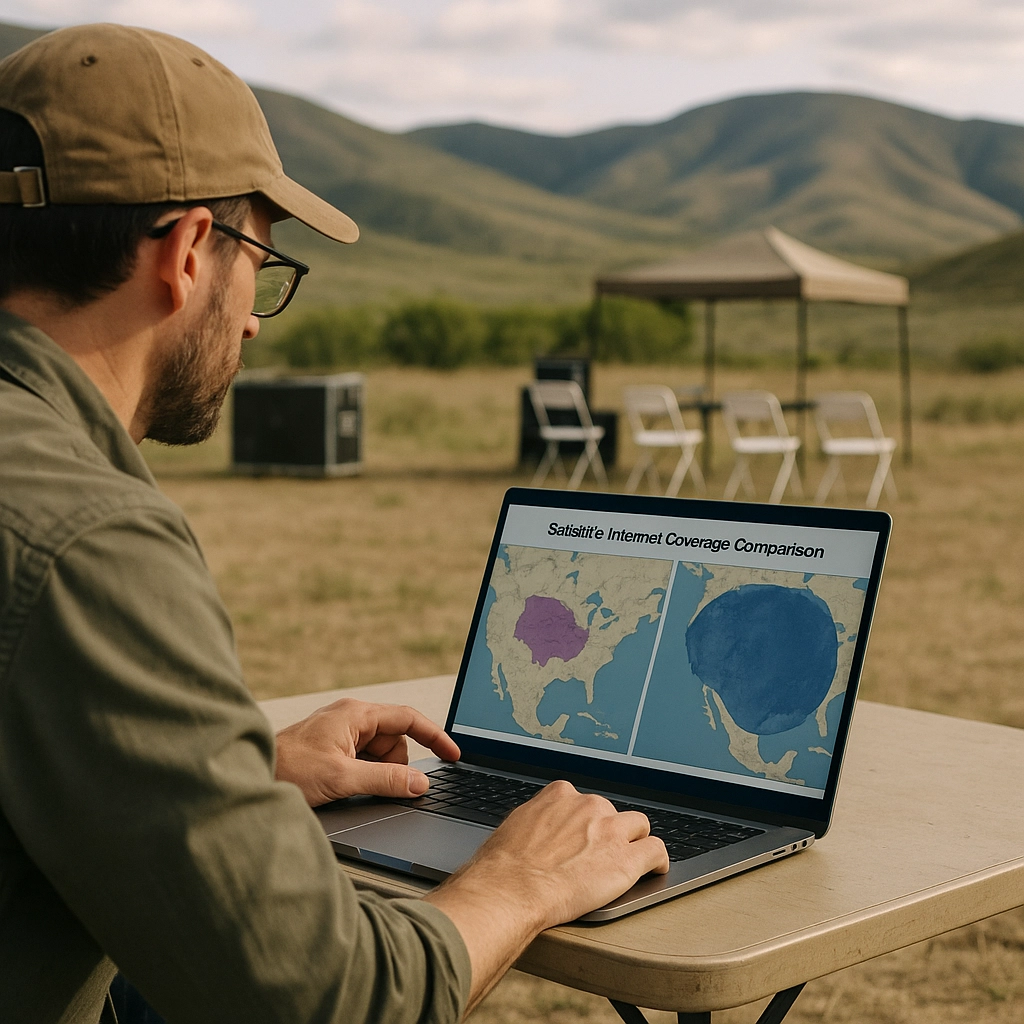
Use provider comparison tools that allow you to search by postcode or geographic coordinates. This helps you identify which services are available at your exact venue location, along with their respective coverage maps, speed offerings, and pricing structures.
For event organisers, rental services often make more sense than purchasing equipment outright. Satellite internet rental companies provide comprehensive solutions including equipment, installation, technical support, and removal after your event. This approach eliminates the complexity of managing technical setup while ensuring professional-grade performance.
Rental Solutions vs. Permanent Installation
Temporary Event Rentals: Most event organisers find rental services ideal for their needs. These services provide complete turnkey solutions with experienced technicians handling setup and troubleshooting. Rental packages typically include backup systems, on-site technical support, and guaranteed service levels throughout your event duration.
Permanent Installation Considerations: If you're working with a venue that hosts regular events, a permanent satellite internet installation might make financial sense. This approach provides consistent connectivity for all events while potentially reducing per-event costs over time.
The rental approach offers several advantages for most event organisers: no capital investment, professional installation and support, latest generation equipment, and flexibility to scale bandwidth based on specific event requirements.
Comparing Satellite Internet to Alternatives
When evaluating connectivity options for remote events, understanding how satellite internet compares to alternatives helps inform your decision-making.
Satellite vs. Mobile Networks: Mobile networks weren't designed for the concentrated demand of large events. Even in areas with decent mobile coverage, networks often become overwhelmed when hundreds or thousands of attendees try to connect simultaneously. Satellite internet provides dedicated bandwidth that doesn't compete with general public usage.
Satellite vs. Fixed Wireless: Fixed wireless solutions require line-of-sight to transmission towers, which can be problematic in hilly or forested locations. Satellite internet only requires clear sky visibility, making it more versatile for diverse terrain types.
Satellite vs. Bonded Connections: Some providers offer bonded mobile connections that aggregate multiple mobile carriers. While this can work in areas with strong mobile coverage, satellite internet provides more predictable performance and doesn't rely on the variable quality of local mobile infrastructure.

Implementation Best Practices
Successful satellite internet deployment requires careful planning and professional execution. Site survey activities should assess sky visibility, identify optimal dish placement locations, and plan power requirements and equipment positioning.
Equipment Positioning: The satellite dish requires unobstructed views of the southern sky (in the Northern Hemisphere) and stable mounting. Professional installation teams handle alignment and optimisation, but event organisers should ensure adequate space allocation and access for technicians.
Bandwidth Planning: Calculate your expected internet usage based on attendee numbers, planned activities, and operational requirements. Factor in live streaming, social media usage, payment processing, and staff communications when determining bandwidth requirements.
Backup Planning: Even reliable satellite internet can face weather-related performance impacts. Consider backup options such as mobile hotspots for critical operations, and communicate potential limitations to attendees in advance.
Integration with Event Technology: Ensure your satellite internet setup integrates seamlessly with other event technology systems including point-of-sale systems, registration platforms, and audio-visual equipment requiring network connectivity.
Getting Started with Your Remote Event Connectivity
Planning satellite internet for your remote event doesn't have to be overwhelming. Start by contacting experienced providers who specialise in event connectivity solutions. They can assess your specific requirements, recommend appropriate bandwidth levels, and handle the technical complexities while you focus on creating an exceptional event experience.
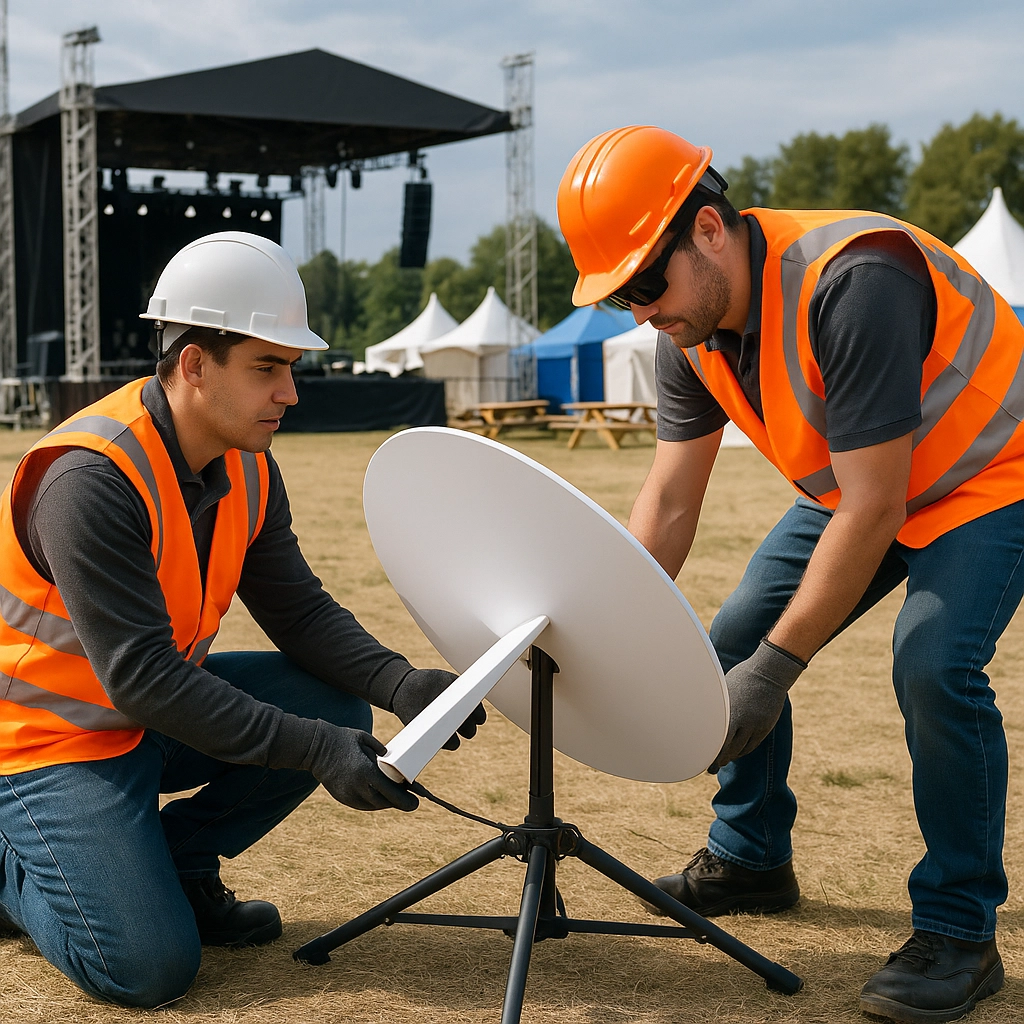
The key is working with providers who understand event requirements and can provide guaranteed service levels, on-site technical support, and backup systems to ensure your connectivity remains rock-solid throughout your event.
With proper planning and professional satellite internet solutions, your remote location transforms from a connectivity challenge into a unique venue advantage, allowing you to create memorable experiences without compromising on the digital amenities your attendees expect.
Comments