The Hidden Value of WiFi Analytics: Learning from Your Guests Without Being Creepy
- Mobile tech
- Jun 4
- 5 min read
When you’re deep in the weeds of planning a massive outdoor festival or a high-stakes corporate exhibition, your primary concern with WiFi is usually just making sure it works. You want the card readers to process transactions, the production team to stay in touch, and the guests to be able to post their highlights without a spinning wheel of death.
But once the event is live, your WiFi network stops being just a utility and starts being something much more valuable: a silent observer.
Every device that connects to your network, and even those that just wander past an access point, is sending out signals. When harnessed correctly, these signals provide a goldmine of data that can tell you exactly how your event is performing in real-time. This isn't about tracking individuals or being "Big Brother." It’s about understanding the collective heartbeat of your crowd so you can make next year’s event even better.
At Commsuk Limited, we’ve seen how this "hidden" layer of data transforms event planning from guesswork into a science. Here’s how you can tap into WiFi analytics to learn from your guests, without being creepy.
Moving Beyond "Gut Feel" with Foot Traffic Data
As an event organiser, you probably have a pretty good instinct for where the "hot zones" are. You know which stage is the biggest draw and which catering stall always has a line. But gut feel doesn't help when you’re trying to sell sponsorship slots for a specific corridor or deciding if you need a second entrance for 2027.
WiFi analytics gives you hard numbers on foot traffic. By looking at the number of unique device pings in specific areas, you can create a detailed map of how people actually move through your venue.

The Power of Dwell Time
One of the most useful metrics is "dwell time." This tells you how long people are staying in a particular zone.
For Exhibitions: Did people just walk past the main sponsor's booth, or did they stop for an average of 10 minutes?
For Festivals: Which "chill-out" zones are actually being used, and which ones are being ignored?
When you have this data, you can prove the value of your floor plan. If you can show a sponsor that 15,000 unique visitors spent more than five minutes near their activation, that’s a much more powerful conversation than just saying, "Yeah, it felt pretty busy."
Predicting the "Crush": Peak Usage and Staffing
There is a specific kind of stress that comes with seeing a massive queue form at the registration desk or the bar and realizing you don't have enough staff to handle it. Usually, by the time you see the problem, it’s too late to fix it for that day.
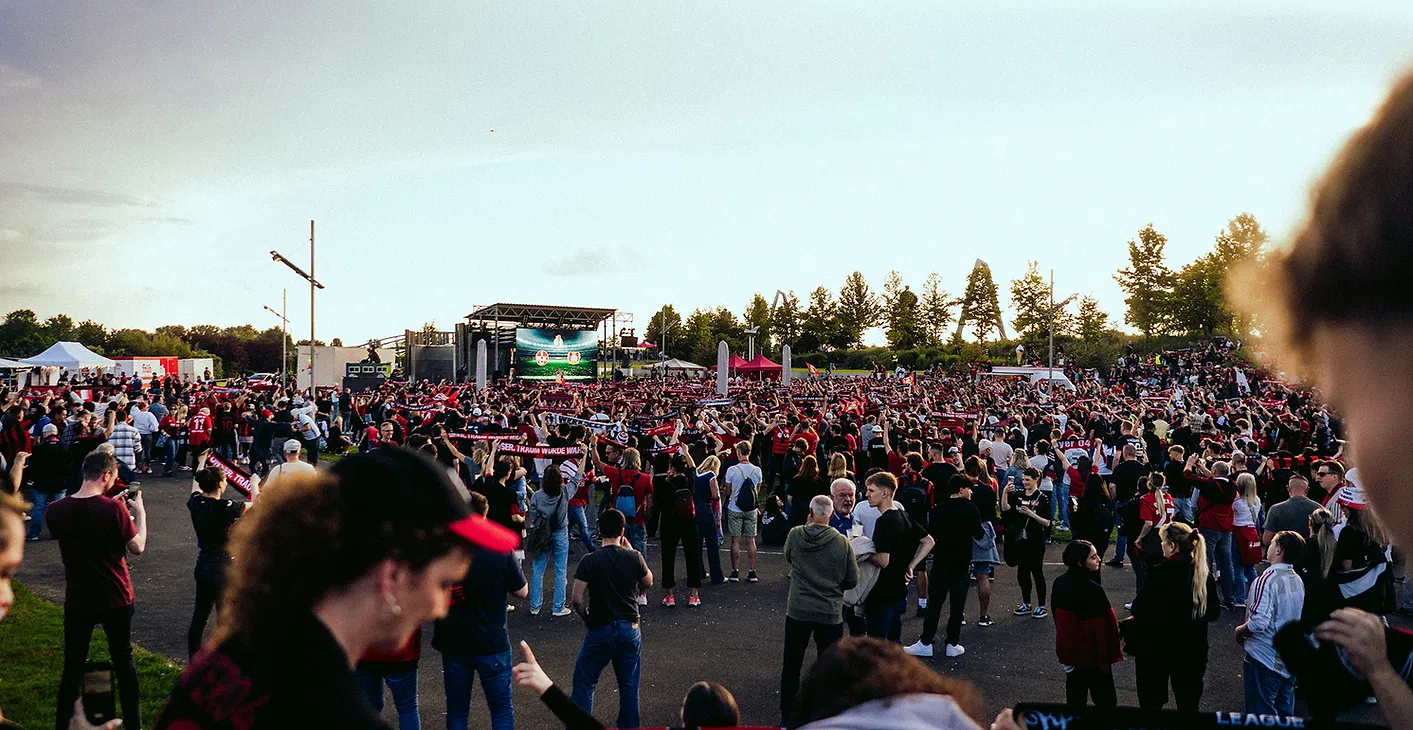
WiFi analytics allows you to look at peak usage times across different days and hours. You can see the exact moment the "morning rush" hits the entrance or when the catering area reaches its maximum capacity.
By reviewing this data after the event, you can optimize your operations for the future:
Smart Staffing: If you know the peak load at the entrance is between 9:30 AM and 10:45 AM, you can schedule your security and registration teams to be at full strength during that window and let them take breaks during the midday lull.
Catering Logistics: If the data shows a massive bottleneck at the coffee stalls every time a seminar finishes, you might decide to scatter the coffee points across the venue next year to spread the load.
Safety First: In real-time, analytics can alert you if a specific hall is reaching its safe capacity, allowing your team to redirect flow before it becomes a safety hazard.
This is what we call the invisible infrastructure: the stuff that no one notices when it’s working perfectly, but everyone feels the benefit of.
The "Creepy" Factor: Privacy and GDPR
We get it. The moment you start talking about "tracking devices" and "monitoring movement," people start thinking of dystopian sci-fi movies. Privacy is the biggest hurdle to adopting WiFi analytics, but it doesn't have to be a headache.
The key is anonymization.
Modern event WiFi analytics works by looking at MAC addresses: unique identifiers for devices. To keep things "non-creepy," this data is immediately hashed and anonymized. You aren't seeing "John Smith is standing by the burger van." You are seeing "Device #8829 is in Zone B."

At Commsuk, we handle the GDPR and privacy compliance for you. We ensure that:
Data is Anonymized: We focus on trends and aggregates, not individual tracking.
Transparency: We help you set up clear, minimalist splash pages that inform guests about how the network uses data to improve their experience.
Secure Storage: All data is handled with the same level of care as the security protocols we use to lock down your network.
The goal is to improve the experience, not to pry. When guests realize that sharing a bit of anonymous data leads to shorter queues and better-placed facilities, they’re usually more than happy to connect.
Planning for Next Year (While the Data is Fresh)
The most important thing you can do with WiFi analytics is to look at it while the event is still fresh in your mind.
Did the "Premium Lounge" actually feel premium, or was it a ghost town? Did the new stage layout help with crowd flow, or did it create a bottleneck?
When we provide managed event WiFi, we don't just give you the hardware and leave. We provide the insights that allow you to sit down with your production team and say, "Look at Friday vs. Saturday. We had 20% more people in the South Field on Saturday; let’s look at why that happened."
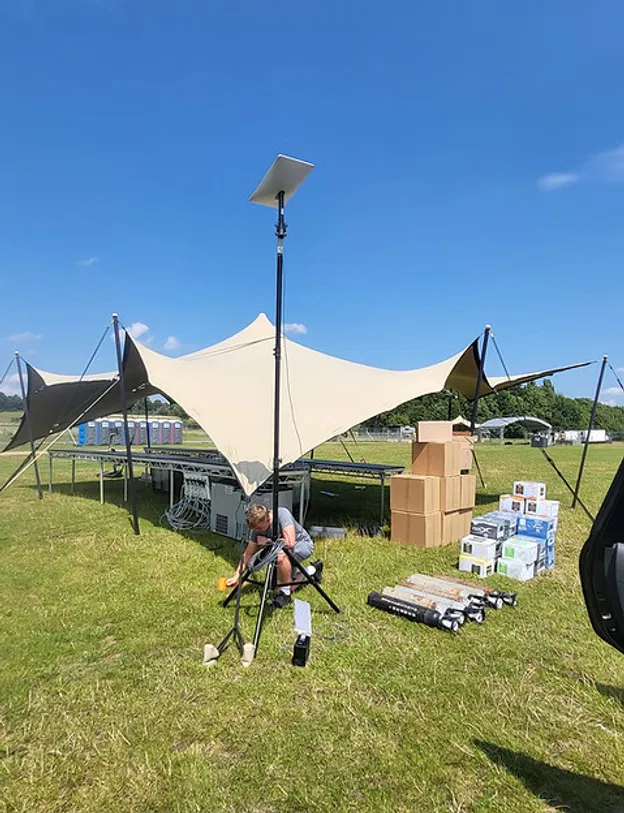
This level of detail is especially crucial for remote or rural events, where every bit of infrastructure has to be hauled in and set up from scratch. If you know exactly what was used and what wasn't, you can save thousands of pounds in unnecessary equipment and labor for the next show.
Conclusion: WiFi as a Strategic Asset
Reliable WiFi is no longer just a "nice-to-have" for events; it’s the backbone of your operations. But if you're only using it to get people online, you're missing out on half the value.
By embracing WiFi analytics, you gain a deeper understanding of your audience. You learn how they move, where they spend their time, and what makes them frustrated. And because you’re working with a partner like Commsuk, you can do all of this knowing the technical and legal "headaches" are already taken care of.
Stop guessing how your event went. Start knowing.
Want to see how analytics could work for your next festival or show? Whether you're in the heart of London or the middle of a field, we can get you connected. Get in touch with the Commsuk team today.
Comments